
A full to-do list, the familiar urge to push through, and what changed when I paused before the crash instead of after it.
Last Monday I took a whole day for myself, even though my to-do list was full. The weeks before had been overflowing, and that week too: classes, workshops, meetings, proposals for next year. My natural inclination was to keep going. Plough through, clear the to-do list, then breathe.
The old pattern
I used to do that a lot when I worked in corporate recruitment. At the peak of activity I'd push all distractions away, including time to relax, apart from intense exercise to let off steam. And what always followed, without fail, was a crash. I was unable to do anything. I couldn't get out of my pyjamas, and I definitely couldn't work. I usually binge-watched a series and ate easy comfort food until I rebuilt my energy.
This time, although my life was giving me all the signs of busyness and noise, I decided to stop and rest before I reached the crashing stage. The day itself felt so good for my nervous system, and for my self-worth too. I didn't do it after achieving something big. I paused in order to achieve my goals. And I felt so grateful for it, because for the rest of the week I had a clearer vision and strategy.
Why we push until we crash
When we're under pressure for a long time, our nervous system stays in "go" mode. Fight or flight is designed for short bursts, not for weeks of deadlines. Adrenaline keeps us going, so we don't feel how tired we are until the body makes us stop.
You see, when you keep going through exhaustion, you develop tunnel vision. I know I do every time. Everything is at the same level, everything is urgent, and that isn't helpful. It's a false alarm, which is just my nervous system running on a hamster wheel.

Pausing before the crash, not after it.
If you run your own business
If you run a business, this probably sounds familiar. There's no one to cover for you, so you keep going. Lunch gets skipped, evenings disappear into emails, and rest becomes something you'll do "when things calm down". But things rarely calm down on their own. A pause before the crash costs you one day. A crash can cost you a week, or more.
Try this: a 3-minute check-in
Next time your to-do list feels urgent, try this before you push on:
Stop and take three slow breaths, making the out-breath longer than the in-breath.
Ask yourself: is everything on this list really urgent, or does it just feel that way?
Notice your body. Are your shoulders up, your jaw tight, your breath short? If so, that's your sign to pause, not to push.
Rest isn't something you need to deserve or earn. You are worth pausing for.
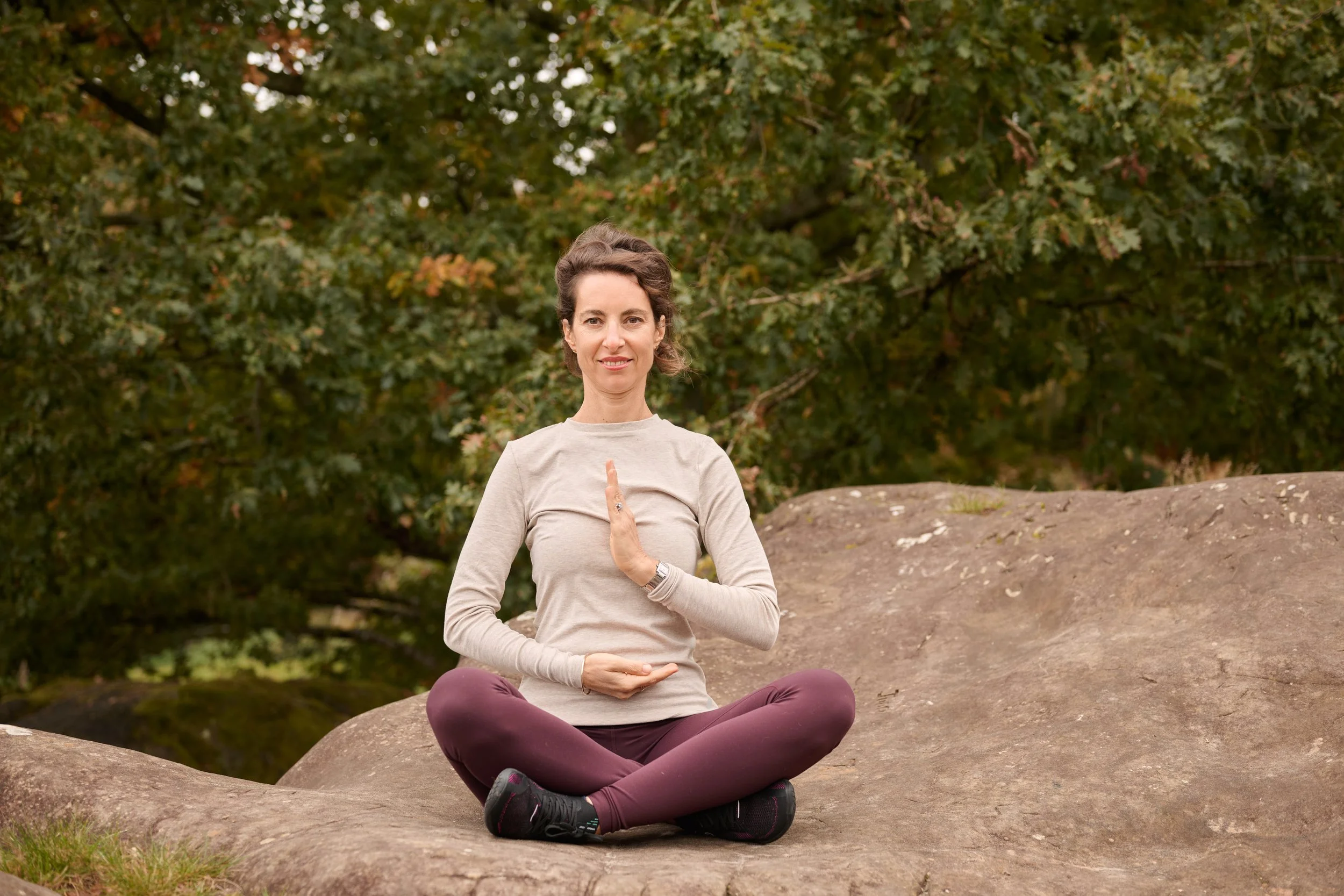
A few minutes of stillness can bring you back to yourself.
FAQs About Rest and Avoiding the Crash
How do I know I need a break before I crash?
Look out for the early signs: everything feels urgent, you can't switch off in the evening, your sleep gets lighter, and small things irritate you more than usual. Tight shoulders, a clenched jaw or shallow breathing are often the body's first signals. Noticing them early is what gives you the choice to pause.
Isn't taking a day off when I'm busy just falling behind?
It can feel that way, but in my experience it's the opposite. When your nervous system is stuck in "go" mode, you lose perspective and everything looks equally urgent. A pause brings back clarity, so you make better decisions and focus on what really matters. One day of rest is far less costly than a crash.
What is nervous system regulation?
It's the ability to move out of "go" mode and back into a calmer state, where your body can rest and recover. Gentle practices like Qigong, breathwork and deep rest help your body learn to do this more easily, so you can stay steady even when life is busy.
Going further
If you recognise yourself in this and want a more sustainable way of running your business, my 3-month one-to-one programme for women business owners starts with a free 30-minute discovery call. Find out more here.
I help women business owners regulate their nervous system and find a more sustainable way of working, drawing on my years in corporate recruitment. I teach weekly Yoga and Qigong classes in Tonbridge and online, along with Yin and Yoga Nidra, and offer private one-to-one sessions, retreats and workshops through the year. If you are based in Tonbridge, Hildenborough, Sevenoaks, Tunbridge Wells or the surrounding area and any of this resonates, I would love to welcome you. You will find all the details at www.candiceyoga.co.uk.
