
Running late, and what late summer in Qigong can teach us about steadying ourselves through transitions.
A few weeks ago I wrote about the days leading up to the World Yoga Festival, and how unsettled I felt before a transition I could not fully picture in advance. That unsettled feeling, it turns out, has a season.
Running Late
In my last post, You Are So Much More Than Your Thoughts, I shared the story of a client who arrived a little late to a session and watched his mind spiral, convinced I would think badly of him for it. I talked him through a simple breathing technique there and then, lengthening the exhale to bring the parasympathetic nervous system, rest and digest, back into balance. It is worth a read if you missed it, because it sets up something I want to build on here: what to do when a transition, big or small, catches you off guard.
Late Summer
In Qigong, we are moving through it right now. Late summer sits between summer and autumn, roughly mid-August into September, and it is the fifth season Qigong recognises alongside the traditional four. I wrote about the full five season framework in Living With the Seasons, so here I want to focus on something I did not cover there, how we actively work with this season through intention and touch.
Late summer's element is earth, the one that holds all the others together. When it is in balance, it feels like clear thinking and solid ground underfoot. It is also the hinge of the year, the point where yang energy, which has been rising since spring, begins to descend, and yin starts to rise in its place. That shift is exactly why transitions, a new project, a change of routine, an event you have been building up to for months, can feel more unsettling in this window than at other times of year, and why my client's anxious moment, and my own before the festival, both landed when they did.
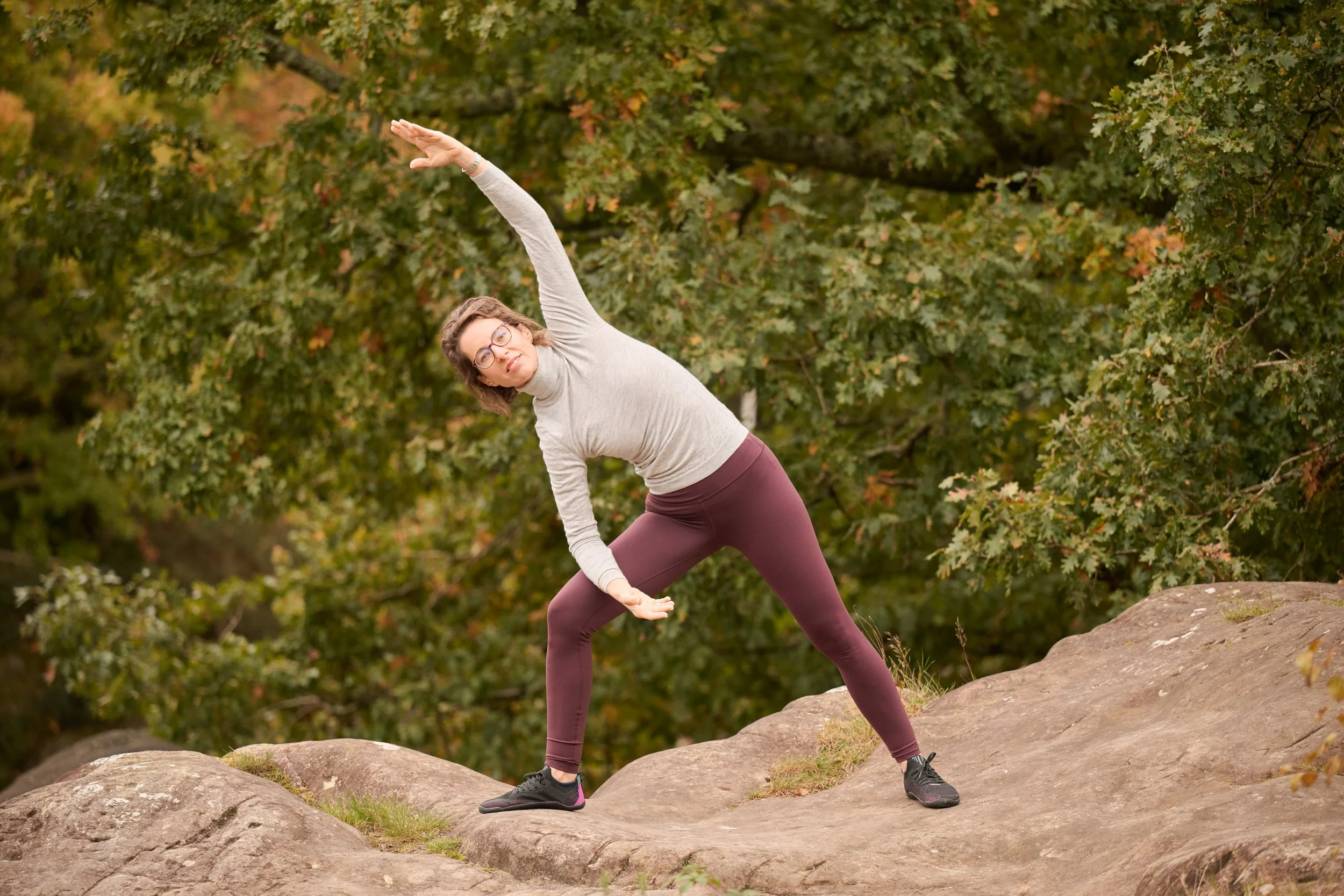
Late Summer, a season of transitions through seasons but also through life
Yi: Working With Intention
As many of you know, I teach Qigong, it means energy practice, we pay attention to how we feel, our energy, and move accordingly. For instance, when recovering from an illness, Qigong masters advise moving to a third of your effort level. In Qigong, a key component of the practice is Yi, it means intention. There are many practices where, with our intention, we clear negative energies from the body, making space for new, more positive energies which will support us.
Tapping to Shift Stagnant Energy
One of the common grounding practices is tapping the body. To stimulate the yin and yang meridians, you start tapping the hands and arms, then the head, torso, back of the body and the legs. It takes a couple of minutes, and it is something you can return to most mornings, or any time you notice your energy has gone a bit flat or scattered.
Grounding Through the Feet
Grounding through the feet is another practice worth returning to in this season, sensing the contact between the soles of your feet and the earth beneath you. Its outdoor cousin is earthing, direct skin contact with the ground, which a 2020 review suggests may reduce inflammation and stress and improve sleep and blood flow. The studies are still early and relatively small, so I hold that lightly, but it is a gentle, free practice worth trying regardless.
If you are moving through your own late summer, in the calendar or in yourself, I would love to know how you are finding it. Feel free to comment, or email me at hello@candiceyoga.co.uk
Want to experience it?
I teach weekly Yoga and Qigong classes in Tonbridge and online, along with Yin and Yoga Nidra, and offer private one-to-one sessions, retreats and workshops through the year. If you are based in Tonbridge, Hildenborough, Sevenoaks, Tunbridge Wells or the surrounding area and any of this resonates, I would love to welcome you. You will find all the details at www.candiceyoga.co.uk.

Teaching at the World Yoga Festival, celebrating its 10th year.
FAQs: Yi, Tapping and Late Summer
What is Yi in Qigong?
Yi is usually translated as intention. In Qigong, we use focused intention rather than force to move and clear energy in the body. It is less about physical effort and more about directing attention, where the mind goes, the energy is said to follow.
How does tapping work as a Qigong practice?
Tapping is a simple way to stimulate the yin and yang meridians that run through the body. Using a loose, relaxed hand, you tap gently over the hands, arms, head, torso, back and legs. It only takes a couple of minutes and is often used to shift energy that feels stagnant or flat, particularly first thing in the morning.
Why do transitions feel harder in late summer?
Late summer sits at the hinge of the year, where rising yang energy begins to descend and yin starts to rise. In Qigong terms, that shift can make any change, a new season, a new project, an event you have been anticipating, feel more unsettling than usual. It is a good time to slow down and ground more deliberately, rather than push through.
Is late summer the same as autumn?
No. Qigong treats late summer as its own season, roughly mid-August into September, sitting between summer and autumn. It has its own element, earth, distinct from autumn's element, metal, and its own focus on grounding and balance rather than letting go.
Do I need any equipment to try tapping or grounding?
No, both are free and need nothing but a few minutes. Tapping can be done anywhere, seated or standing. Grounding just means bringing your bare feet into contact with the floor or the earth, whenever you get the chance.
Where can I try Qigong near Tonbridge?
I teach weekly Yoga and Qigong classes in Tonbridge and online, as well as Yin and Yoga Nidra, private sessions, and seasonal retreats and workshops. You will find the full schedule at www.candiceyoga.co.uk.
