
Simple Daily Routines to Reduce Stress and Feel Calmer
Easy practices to reduce stress, unwind tension, and improve sleep — designed for beginners with busy lives.
Stress is no longer an occasional state — it has become a baseline experience for many people. In the UK, around 74% of adults report feeling overwhelmed or unable to cope because of stress at some point each year, and chronic stress is now closely linked to sleep problems, digestive issues, anxiety and burnout.
I’ve had regular self-care and nervous system–supportive routines in place for many years. What I share in this blog isn’t something I recently discovered — it’s the result of long-term practice, observation and refinement.
What a change in routine highlights for me is not whether these practices work, but how quickly the body lets us know when regulation drops. Subtle signs appear first: digestion feels off, thoughts lose clarity, and reactions become less grounded.
This is why I don’t think of these practices as something we do only when things feel bad, or only when we have plenty of time. They are tools I return to regularly — and adapt — to support my nervous system in everyday life.
The routines below are practices I work with consistently. They can be shortened, softened or expanded depending on context, energy and time, but their purpose remains the same: to support balance, resilience and regulation.
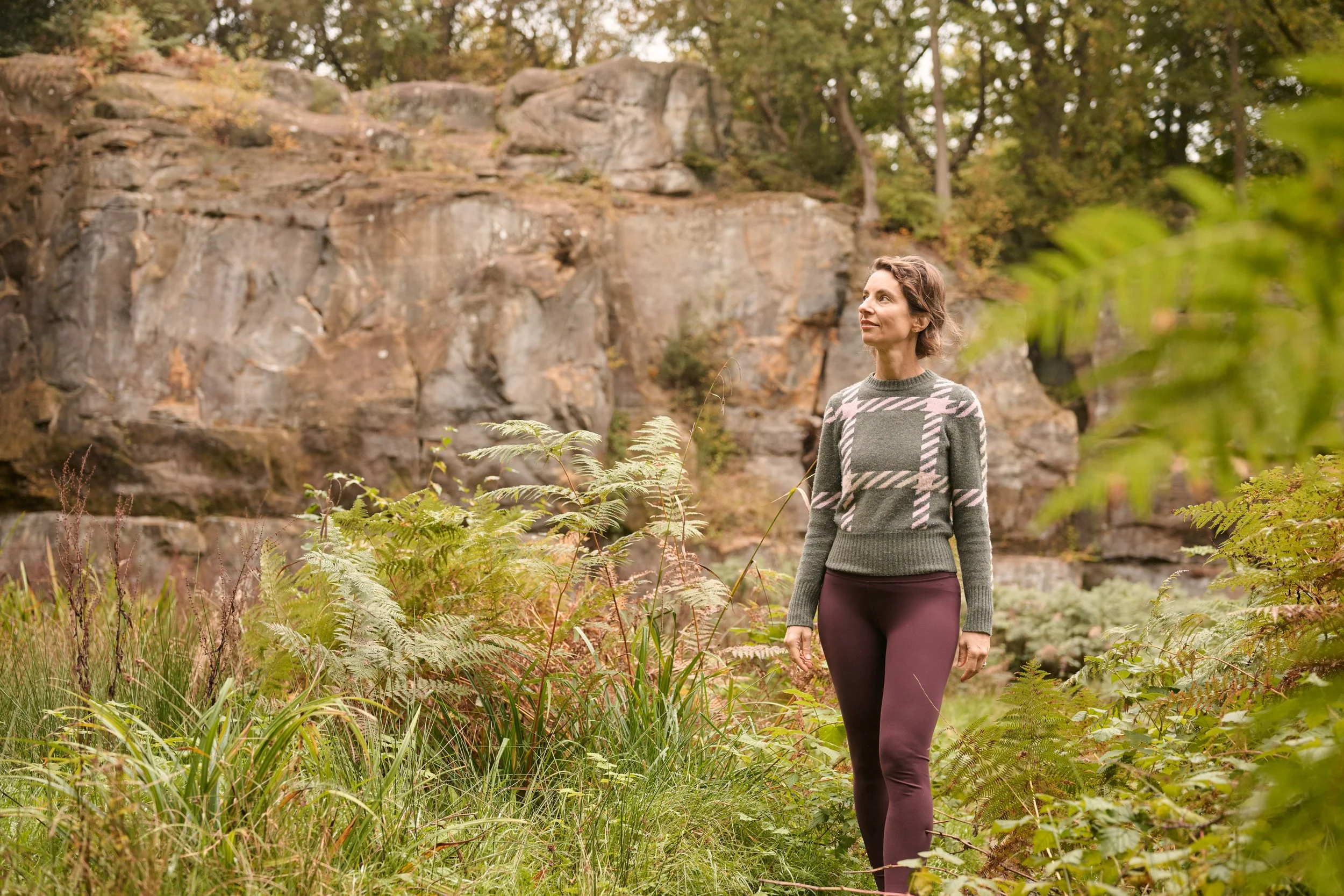
Routines are tools I return to regularly — and adapt — to support my nervous system in everyday life.
A Short Morning Practice to Set the Tone
In the mornings, I practise a very short movement sequence called Pawanmuktasana (Series 1). It’s an old yogic practice focused on gently mobilising every joint in the body — starting with the toes and ending with the head and neck.
Depending on how much time I have, I choose either the shorter or longer version. It takes me anywhere between 7 and 14 minutes, which feel realistic and doable.
This practice is traditionally used as a preventative approach for joint stiffness and arthritis, helping to lubricate joints, improve circulation and reduce stagnation. From a modern perspective, gentle joint movement has been shown to:
Improve synovial fluid circulation (which nourishes joints)
Reduce morning stiffness
Improve proprioception (your sense of where your body is in space)
For me though, the benefits go beyond the physical. It becomes a quiet moment to connect with my breath, notice how I feel, and — depending on the season — watch the sunrise. That alone, often sets the tone for my whole day.
Listening to the Body (Instead of Following a Fixed Plan)
From there, I tune into what my body actually needs.
Some days it is more movement. Other days, nothing at all. Quite often, it is Yoga Nidra, which I would practise around midday for an afternoon energy boost.
I often mention in my classes how powerful Yoga Nidra has been for me personally. I started practising it regularly during a period of intense stress and depletion. My tolerance levels were extremely low, my sleep was poor, and my digestion had almost completely shut down — I was dealing with chronic constipation.
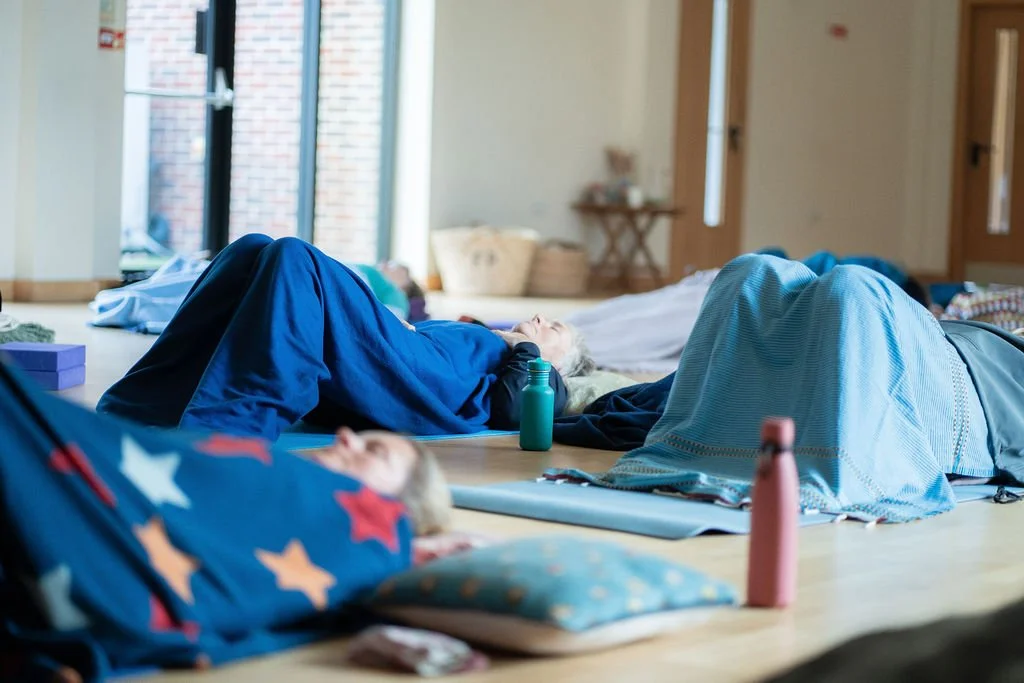
Yoga Nidra is a guided relaxation practised lying down or seated comfortably.
What Stress Is Really Doing to the Body
When we’re under stress, the body shifts into fight-or-flight mode, also known as the sympathetic nervous system response. Blood flow is directed towards the arms and legs, preparing us to run or defend ourselves. This is a primitive survival mechanism that once kept our species alive.
The problem is that while our lifestyle has changed dramatically, our nervous system hasn’t.
Emails, phones, deadlines and constant stimulation trigger the same stress response as physical danger once did. When this state becomes chronic:
Sleep is disrupted
Digestion slows down or shuts down
Immune function can decrease
Pain and inflammation often increase
It’s estimated that 70–80% of immune and digestive function is suppressed during prolonged sympathetic activation, which explains why digestion is often one of the first things to suffer under stress.
And unfortunately, we can’t simply tell the brain to relax.
Why Yoga Nidra Works When “Trying to Relax” Doesn’t
In yoga, instead of talking to the brain, we work through the body, which then sends safety signals back to the brain. Yoga Nidra does exactly that.
Yoga Nidra is a guided relaxation practised lying down or seated comfortably, sometimes accompanied by sound healing. Comfort is essential — props are encouraged, and warmth matters. A cold body cannot fully relax.
A traditional Yoga Nidra practice includes:
A settling and grounding phase
A sankalpa (a personal intention)
A guided body scan
Awareness of the breath
Sometimes visualisation or sound awareness
A sankalpa is a short, positive intention phrased in the present tense, such as: I am safe.
I am kind to myself. I am here now.
If nothing resonates, repeating the sound Om mentally is often suggested.
Research and clinical studies show that Yoga Nidra can:
Reduce cortisol (stress hormone) levels
Improve sleep quality
Increase heart rate variability (a key marker of nervous system resilience)
With regular practice, it gently lowers baseline nervous system alertness, making it easier to rest, digest and recover. When practised regularly, the shift in overall wellbeing is noticeable.
Yin Yoga: Not Just Stretching
Depending on my energy levels (or Qi, as we call it in Qigong), some evenings I practise Yin Yoga.
Yin is often associated with deep stretches, but its impact on the nervous system is just as significant.
There are clinical studies comparing joint range of motion when people are awake versus under general anaesthesia. These studies show that range of motion is significantly greater when the nervous system is not actively guarding, even though the muscles and connective tissues themselves have not changed.
For example, research measuring joint mobility under anaesthesia has found noticeable increases in range compared to awake assessments, demonstrating that the nervous system plays a major role in limiting movement as a protective mechanism — especially when we feel unsafe, stressed or under threat.
This helps explain why flexibility is not simply about muscle length. When we are under stress, the body naturally tenses, the breath becomes shallow, and tissues guard to prevent injury. When the nervous system perceives safety, those protective brakes soften and movement becomes easier.
Yin Yoga works with three key principles:
Time – poses are held for 3–5 minutes to allow tissues to respond
Edge – a sensation that is noticeable but not overwhelming
Stillness – staying still so the nervous system can downregulate
Combined, these elements stimulate the parasympathetic (rest-and-digest) nervous system, supporting relaxation, tissue hydration and emotional regulation.
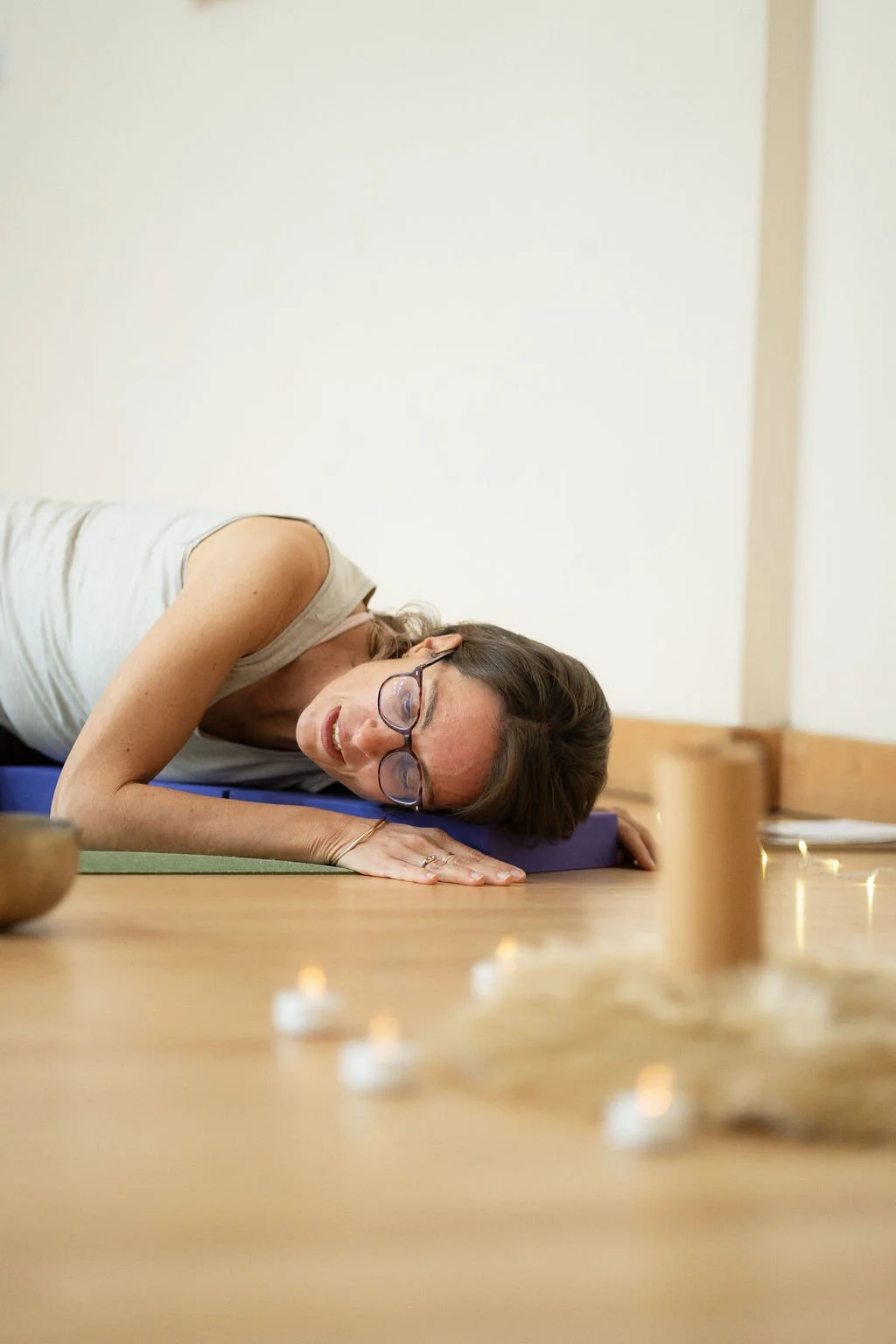
Yin is often associated with deep stretches, but its impact on the nervous system is just as significant.
Creating Balance (Not Avoiding Stress)
In yoga, we don’t aim to eliminate the sympathetic nervous system — we need it. But modern life keeps us there far too often.
Practices like Yoga Nidra and Yin intentionally strengthen the parasympathetic response, helping to restore balance rather than swinging between extremes.
Evening Wind-Down: Meditation or Breathwork
On particularly hectic days, I switch off electronics earlier and choose either meditation or breathwork.
If my mind felt relatively steady, meditation worked well. If my thoughts were racing, breathwork was far more effective.
One of the first techniques I practised regularly was Nadi Shodana (alternate nostril breathing).
You inhale through one nostril and exhale through the other, alternating sides. This can be done with a simple hand position or a traditional mudra.
A common variation involves counting the breath:
Inhale 1, exhale 1
Inhale 2, exhale 2
And so on…
If you lose count, you simply return to 1 — that’s part of the practice.
Studies show that Nadi Shodana (alternate nostril breathing):
Balances activity between the left and right hemispheres of the brain
Reduces heart rate and blood pressure
Improves focus and emotional regulation
Activates the parasympathetic nervous system within minutes
Choosing a Routine That Actually Works
The most important part of any routine is choosing what resonates with you and what fits realistically into your life.
Each day is different.
If stress regulation is your goal, even one simple practice can make a difference. If time is short, you might:
Stay in bed for a few minutes noticing the weight of your body
Feel the rhythm of your breath
Set a gentle intention for the day
I also recommend avoiding emails or messages for at least 30 minutes after waking, allowing your nervous system to set its own pace.
In the evening, practices like Yin Yoga or Yoga Nidra help signal safety to the body, supporting better sleep and digestion. After a full day of stress, the body needs help unwinding — it can’t switch off instantly.
I’d Love to Hear From You
Do you already have small routines that support you? Or are there one or two practices here that feel doable for you?
Bringing It All Together
If you are new to yoga or nervous system work, it’s important to know this: small, consistent practices have a real impact. You don’t need to do everything, and you don’t need long sessions for your body to respond.
When the nervous system feels supported, the body can rest, digestion improves, sleep becomes deeper, and mental clarity returns more easily. These shifts don’t happen because we force relaxation, but because we create the right conditions for the body to feel safe.
If you are living with ongoing stress, choose one simple practice that feels accessible and realistic. Start there. Over time, you can layer more in if and when it feels right.
Frequently Asked Questions
How often do I need to practise for this to help with stress?
Consistency matters more than duration. Even 5–10 minutes a day can make a difference when it comes to nervous system regulation. Regular, gentle practices help the body recognise safety over time, which supports better sleep, digestion and emotional balance. It’s far more effective to practise little and often than to do long sessions occasionally.
What if I don’t feel relaxed during the practices?
This is very common, especially if you’ve been under stress for a long time. Relaxation is not something we can force. Sometimes the first signs of progress are simply noticing sensations, restlessness or tension. That awareness is already part of regulation. Over time, as the body feels safer, relaxation tends to come naturally.
Do I need experience with yoga or meditation to do these practices?
No. All the practices described here are suitable for beginners and can be adapted to your body, energy levels and health. Yoga Nidra, breathwork and Yin Yoga are particularly accessible because they don’t require flexibility, strength or prior knowledge.
How do I know which practice to choose on a given day?
A simple guideline is to notice your energy and your mind. If you feel wired, restless or overwhelmed, calming practices like Yoga Nidra, Yin Yoga or breathwork are often supportive. If you feel heavy, sluggish or disconnected, gentle movement can help. There’s no perfect choice — learning to listen to your body is part of the practice.
Can these practices help with sleep and digestion?
Yes. Chronic stress keeps the nervous system in a state of high alert, which directly affects sleep quality and digestion. Practices that support the parasympathetic (rest-and-digest) nervous system can improve sleep depth, reduce nighttime waking, and support healthier digestive function over time.
Want to try it?
If you’d like a gentle place to begin, I’ve created a free resource called The 3 Day Nervous System Reset. It includes short, beginner-friendly practices designed to support calm, energy and mental clarity — without overwhelm.
3-Day Nervous System Reset | Relax, Restore & Recharge with Candice Yoga
About Candice Machtus
Candice Machtus is a Yoga Alliance Professionals-accredited Yoga and Qigong teacher based in Tonbridge, Kent. She supports busy people to restore balance, energy, and clarity through embodied movement and nervous system regulation.
Find out more at www.candiceyoga.co.uk
